// Vocational Education — Motorcycle Mechanics
Motorcycle Repair School gives you structured, practical training in real-world mechanics — engine systems, electrical diagnostics, drivetrain maintenance, and more.
A motorcycle is an interconnected set of mechanical and electrical systems. Understanding how each one interacts helps you diagnose problems accurately and make lasting repairs.
Click on any system below to learn more about its role and common issues.
Click any system card to learn about its function, how it connects to other components, and what to look for when troubleshooting.
Whether you're touching a wrench for the first time or already comfortable with basic maintenance, we have a structured path for you.
Our beginner path covers the absolute fundamentals before you ever pick up a tool. You'll learn how an internal combustion engine works, what each major system does, and how to safely work around a motorcycle. Lessons are deliberately sequenced so that each concept builds naturally on the last.
Tool identification, workshop safety rules, and how to handle a motorcycle safely.
4-stroke cycle, cylinder layout, compression, and basic engine terminology.
Oil changes, chain lubrication, tire pressure, and fluid level checks.
If you already handle basic maintenance and want to go deeper, the hobbyist path covers carburetor service, brake overhauls, fork seal replacement, and electrical troubleshooting. You'll build diagnostic reasoning alongside practical repair skills.
Disassembly, jet cleaning, float height setting, and reassembly.
Pad replacement, rotor inspection, caliper service, and bleeding hydraulics.
Using a multimeter, reading wiring diagrams, and tracing faults.
The skill-builder path addresses engine rebuilds, suspension tuning, fuel injection system diagnosis, and performance-oriented maintenance. These topics require patience and methodical work — and that's exactly what we teach.
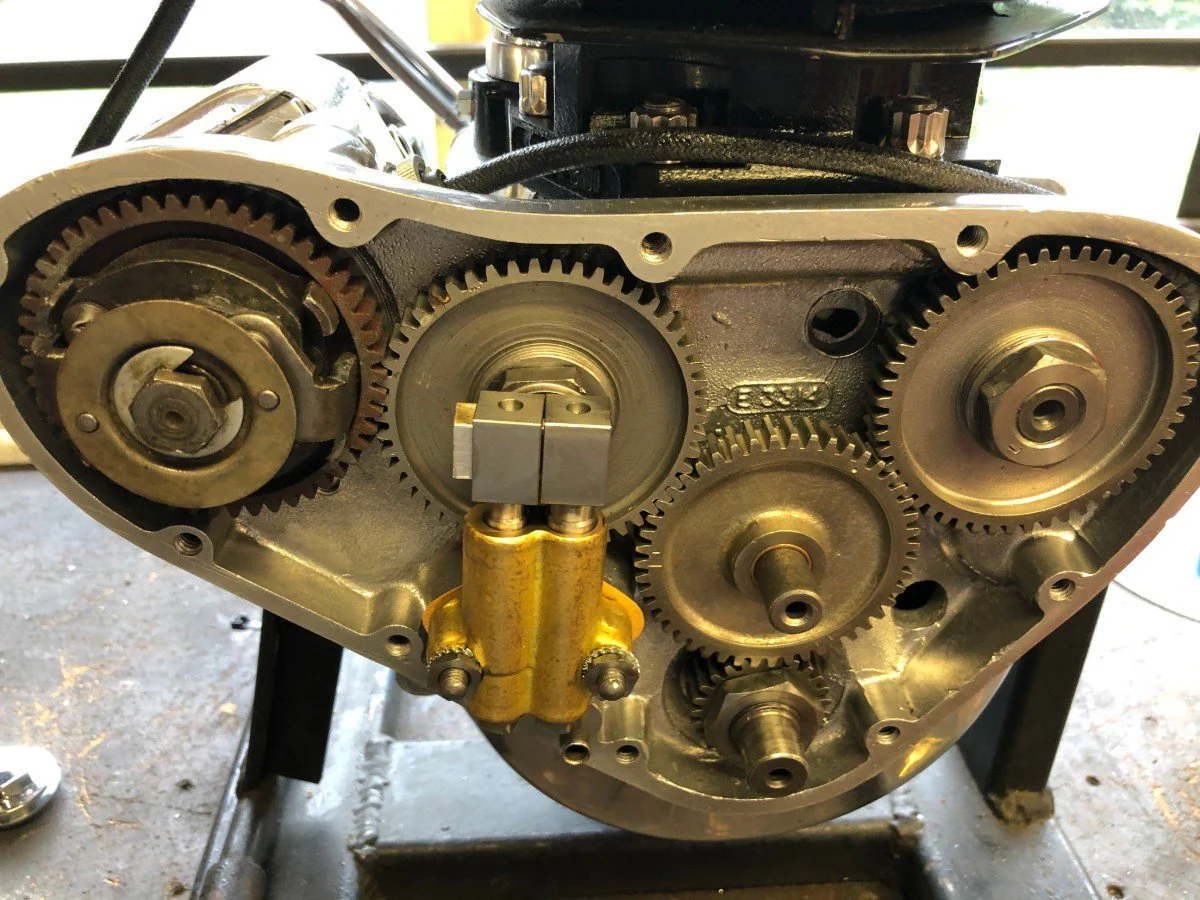
Top-end and bottom-end teardown, measurement, and reassembly to spec.
Sag measurement, spring rate selection, and damping adjustment.
Injector testing, throttle position sensor calibration, and ECU basics.
Each program combines structured instruction with practical lab time so you build real skills, not just theoretical knowledge.
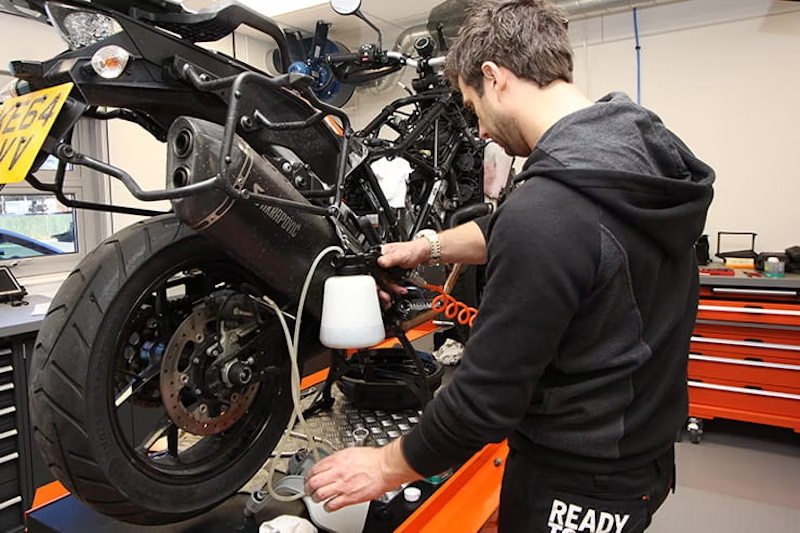
Work on actual motorcycles under guided supervision. Every session focuses on a specific system or repair procedure with clear step-by-step instruction.
Learn MoreSmall-group instruction where instructors walk through diagnostics and repairs in real time, explaining the reasoning behind each step.
Learn MoreLearn safe workshop practices, proper tool use, and how to approach unfamiliar repairs methodically — skills that protect both you and the motorcycle.
Learn MoreSee where you stand. These short quizzes are designed to identify gaps, reinforce concepts, and give you a starting point for your studies.
Select the symptoms your motorcycle is exhibiting and see a list of likely causes with explanations. This tool teaches systematic troubleshooting thinking.
Select all symptoms present:
Select symptoms above and click Analyze to see possible causes.
Generate a customized maintenance checklist based on your service interval. Use it as a guide during your own inspection sessions — checking items off as you go builds good mechanical habits.
Select Interval:
Your Checklist
Choose an interval and generate your checklist.
Step-by-step overviews for the repairs most students encounter in their first months of training.
Tools needed: Drain pan, socket wrench (typically 12mm or 17mm), new crush washer, funnel, and manufacturer-specified oil.
Procedure overview: Warm the engine for 2–3 minutes to help oil flow freely, then shut off. Position the drain pan, remove the drain plug, and allow oil to drain fully (5–10 minutes). Replace the crush washer — never reuse a deformed one. Reinstall the drain plug to torque spec. Remove the oil fill cap, add the correct quantity of oil, then check the level via sight glass or dipstick. Run the engine briefly and inspect for leaks.
⚠ Always dispose of used oil at a certified recycling facility.
Why it matters: A chain that's too tight puts stress on bearings and the countershaft sprocket. Too loose and it can jump the sprocket or slap the swingarm.
Procedure overview: Check the manufacturer's slack specification (commonly 20–30mm measured at the chain's tightest point, with the bike on the side stand). Loosen the axle nut, then adjust both chain adjusters in equal increments, checking alignment marks on both sides. Snug the axle nut, recheck slack, then torque the axle nut to spec. Lubricate the chain after adjustment.
Reading the plug: Tan or gray deposits indicate healthy combustion. Black, sooty deposits point to a rich mixture. White or blistered insulator suggests a lean condition or overheating. Oil fouling indicates ring or seal wear.
Replacement procedure: Allow the engine to cool fully. Remove the plug cap, then use the correct spark plug socket (usually 16mm or 18mm). Inspect the gap with a feeler gauge and adjust if needed. Apply a small amount of anti-seize to threads, install finger-tight, then torque to spec (typically 10–15 Nm for aluminum heads).
When to bleed: Any time brake feel becomes spongy, after opening the hydraulic system, or per manufacturer interval (typically every 1–2 years as fluid absorbs moisture over time).
Procedure overview: Clean around the reservoir cap before opening to prevent contamination. Attach a clear bleed hose to the caliper bleeder valve. Open the valve a quarter-turn, squeeze the lever slowly, then close the valve before releasing the lever. Repeat, maintaining fluid level in the reservoir. Continue until no air bubbles appear in the bleed hose. Top off to the maximum mark and replace the reservoir cap.
Types of filters: Paper elements are replaced, never washed. Foam and cotton gauze filters can be cleaned and re-oiled per manufacturer instructions. Inspect the filter housing for cracks or debris that could bypass the filter element.
Service interval: Every 6,000–12,000 miles under normal conditions; more frequently in dusty environments. A clogged filter will noticeably reduce throttle response and fuel economy before you see any other symptoms.
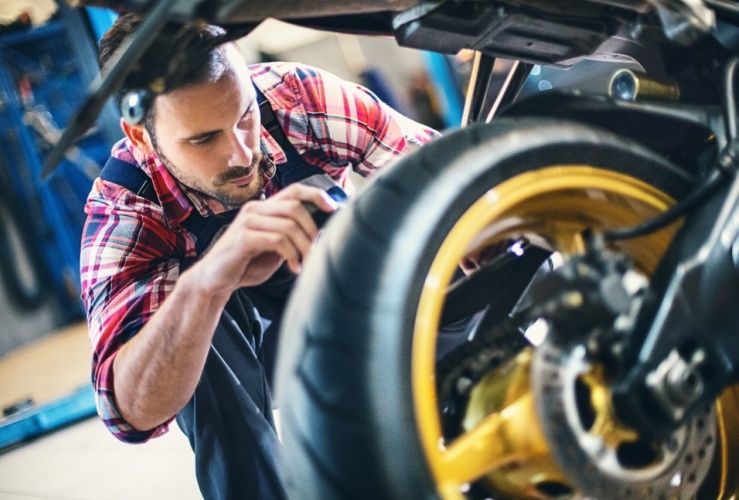
Students learn to disassemble, measure, and reassemble engine components under close supervision.
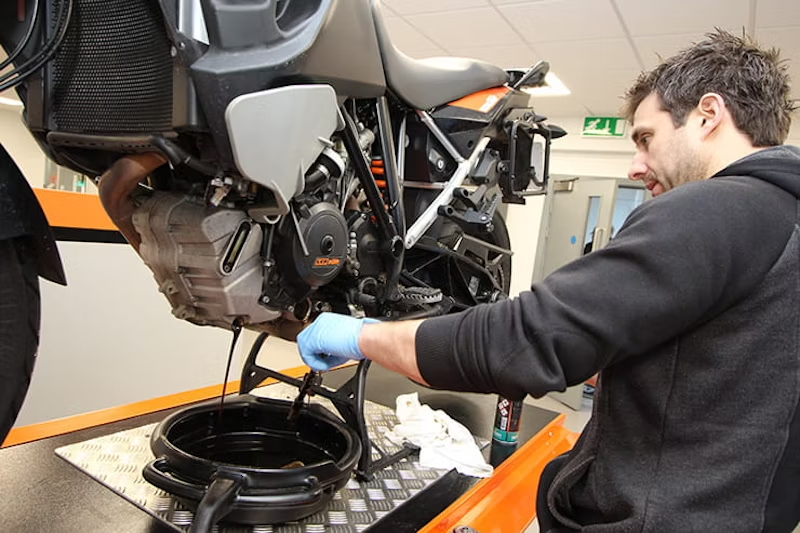
Hands-on practice covering fluid changes, filter service, and general inspection protocols.
Learning to read symptoms, use diagnostic tools, and develop a logical repair process.
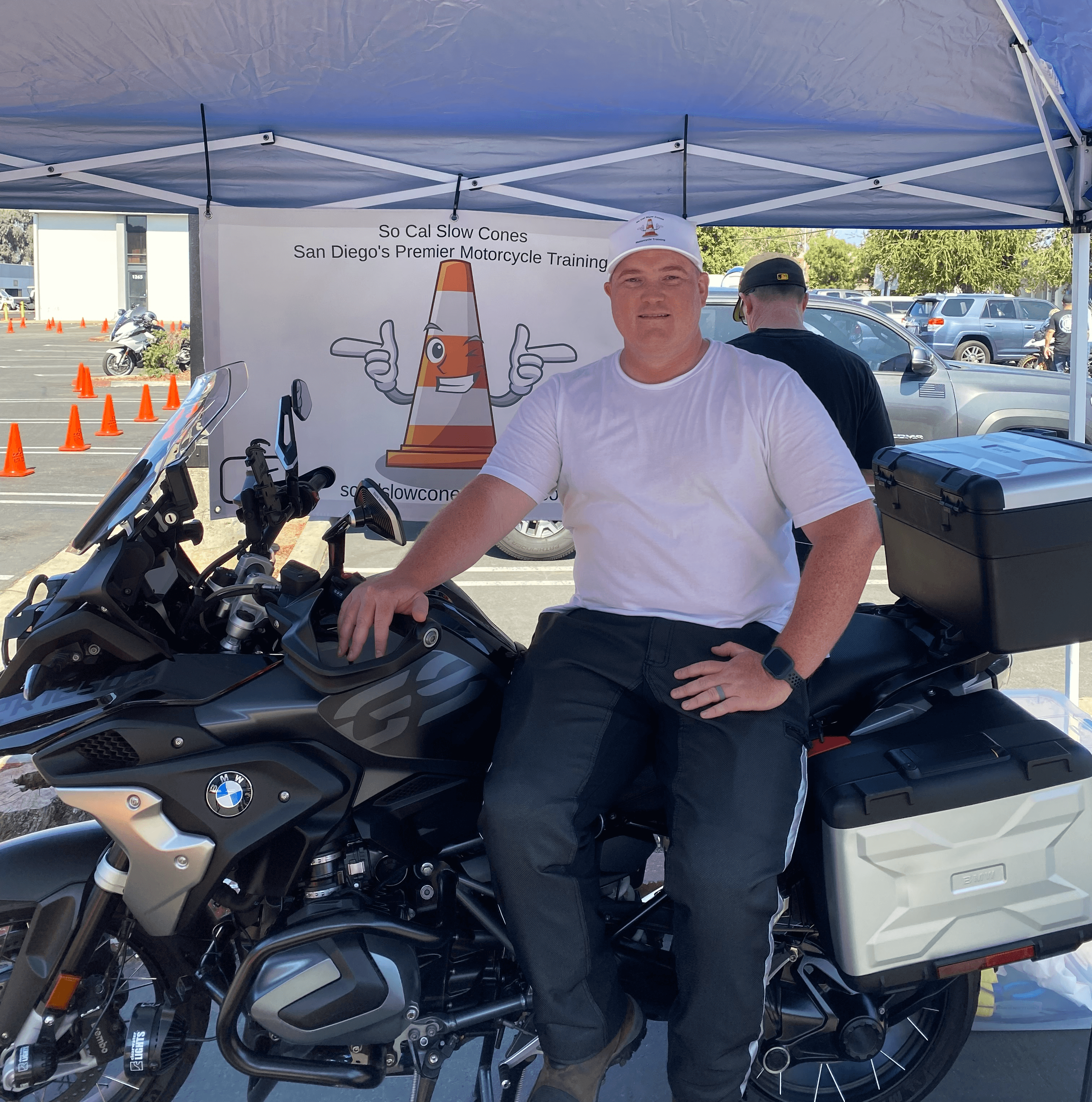
Our instructors bring decades of real-world mechanical experience into the classroom. They teach because they genuinely believe in passing on practical knowledge.
22 years working on street, touring, and vintage motorcycles. Specializes in engine rebuilds and fuel system diagnostics.
Trained as an automotive electronics technician, Lisa spent 14 years in a dealership environment before moving into education.
Spent years working with off-road and sport bikes. James has a talent for explaining geometry and suspension dynamics to learners at every level.
Patricia designed the safety protocols that run through all of our training programs. Her background in occupational safety ensures every lab session runs responsibly.
Long-form guides written by our instructors on core topics every motorcycle owner and student should understand.
Everything a new owner or first-time student needs to know about keeping a motorcycle reliable, safe, and properly maintained.
Read Article
A thorough look at how motorcycle engines work, from combustion principles to valve trains and lubrication circuits.
Read Article
Step-by-step explanations of the repairs students most frequently encounter, written for clarity and practical application.
Read ArticleReading about how an engine works is useful. Holding the parts, measuring tolerances, and hearing the difference between a valve that's properly adjusted and one that isn't — that's where real understanding forms.
Our approach combines explanation with immediate application. Every concept is introduced, demonstrated, and then practiced by the student. We believe this is the most effective way to build durable mechanical skills.
Clear explanations of how each system works before you touch any tools.
Instructors demonstrate every procedure with narration and Q&A.
Students perform the procedure on real equipment under supervision.
Review, troubleshoot, and build on each skill in subsequent sessions.
Safety First, Always
Every session begins with a safety review. We don't skip it, and we don't rush it. Safe habits formed early become lifelong practices — and they protect both the mechanic and the motorcycle.
Reach out and tell us where you are in your learning journey. We'll help you figure out which program fits your current level and goals.